
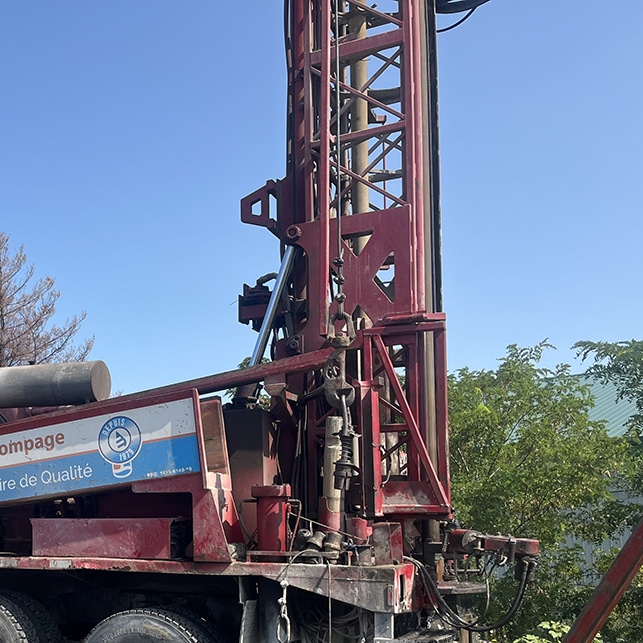
Maintenance, cleaning and rehabilitation of artesian wells
Your artesian well is a reliable, high-quality source of groundwater. However, over time, its performance may decline. Mineral deposits, sediment buildup, or bacterial growth can gradually clog the water-bearing zones and reduce water flow and the overall efficiency of your system.
Targeted maintenance and professional rehabilitation can restore your well’s flow rate and water quality.
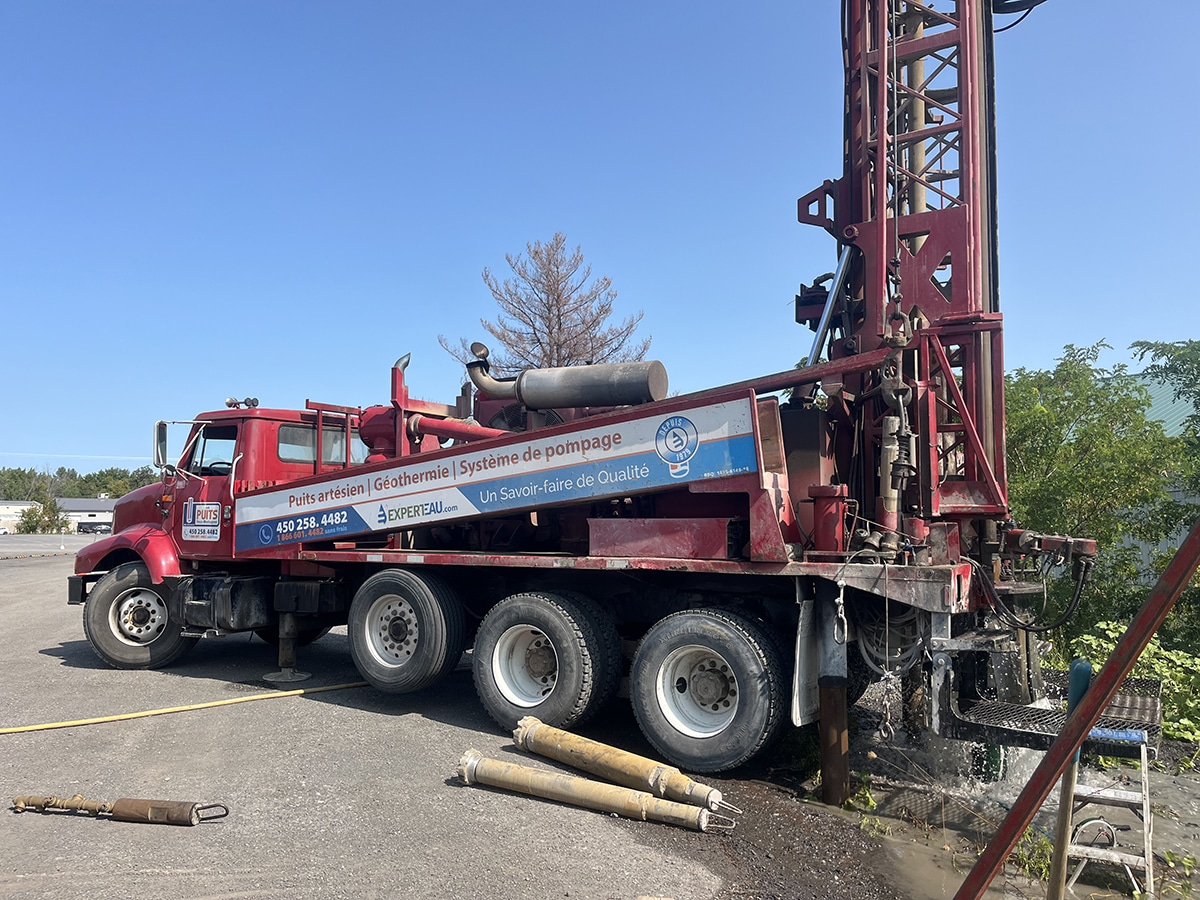
Well rehabilitation: the solution to restore your original performance
Well rehabilitation is a specialized intervention aimed at dislodging and removing deposits that impair performance. Rather than a simple cleaning, it is a complete process designed to restore the hydraulic capacity of the water intake structure.
Our rehabilitation method is carried out in several key steps to ensure optimal results:
- Step 1: Camera inspection. Before any intervention, we perform a camera inspection to visualize the internal condition of the well, confirm the well depth, identify the nature of the deposits, and locate critical areas.
- Step 2: Mechanical cleaning. Using specialized brushes and/or a high-pressure water jet, we scrub the well walls (casing) to remove embedded mineral deposits and biofilm.
- Step 3: Targeted chemical treatment. We use NSF-certified water treatment products that are safe for drinking water, designed to dissolve iron, manganese, and limescale deposits that brushing alone cannot remove.
- Step 4: Pumping and development. After the treatment, we pump well water until it becomes perfectly clear again. This crucial step, which puts the pumping system to work, removes all sediments and dislodged deposits from the well and reactivates the water-bearing zones.
- Step 5: Disinfection. Once the well is clean and performing properly, we carry out a complete disinfection. This final well disinfection step is often done using a chlorine-based solution (such as NSF-certified bleach) to ensure outstanding, healthy water quality.
Why has my artesian well lost its flow rate?
The most common issue is clogging, meaning the gradual obstruction of the well casing, the screen, and the rock fractures that supply your well with water.
If you notice any of the following signs, your well is likely affected and it may be necessary to analyze your water:
- A noticeable drop in water pressure
- Water sputtering from the faucets
- The pumping system starts more often than before.
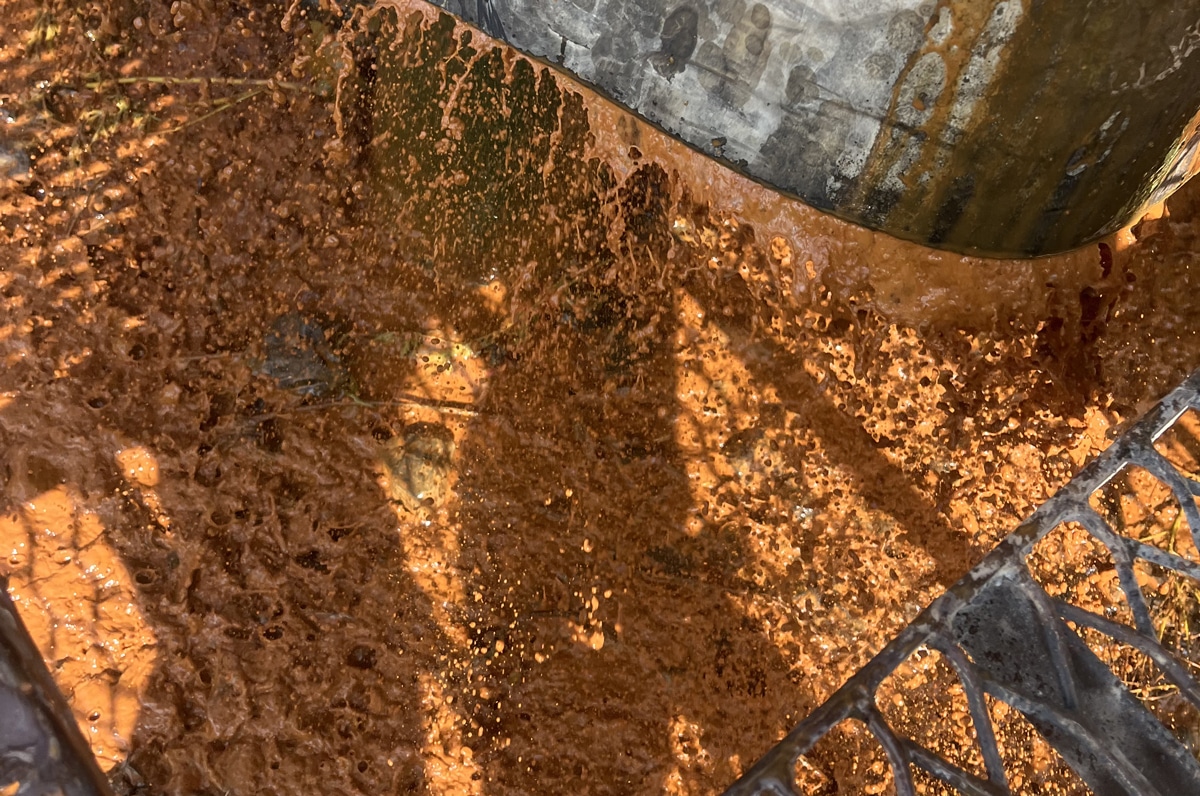
- Water that becomes cloudy, discolored (reddish or brownish), or has an unpleasant taste or odor.
Main causes of clogging
Clogging is generally caused by the buildup of several types of deposits:
- Iron and manganese deposits: These minerals, naturally present in the ground, oxidize when they come into contact with oxygen and form a sludge or hard crust that is rust-colored or black. This is one of the most common causes of clogging and water discoloration.
- Sediment: Fine particles of sand, clay, or silt can infiltrate, sometimes due to poor sealing around the well that allows surface water to enter, and accumulate at the bottom of the well, reducing the volume of water in the well and potentially being drawn into the pump.
- Biofilm and iron ochre: This is a gelatinous mass created by iron bacteria. These microorganisms feed on the iron present in the water and create a slimy substance that very effectively obstructs the screens and water inlets.
The benefits of professional maintenance
Investing in the rehabilitation of your artesian well means investing in durability and peace of mind.
- Restore optimal water flow and pressure.
- Improve your water quality (taste, odor, clarity).
- Extend the lifespan of your pumping system and equipment (such as your treatment system) by reducing wear and tear.
- Protect the long-term value of your investment by keeping your well in excellent condition.
Contact the Experteau team today for a complete diagnosis and a customized rehabilitation solution.

Request for information
Consult one of our experts through our online form.