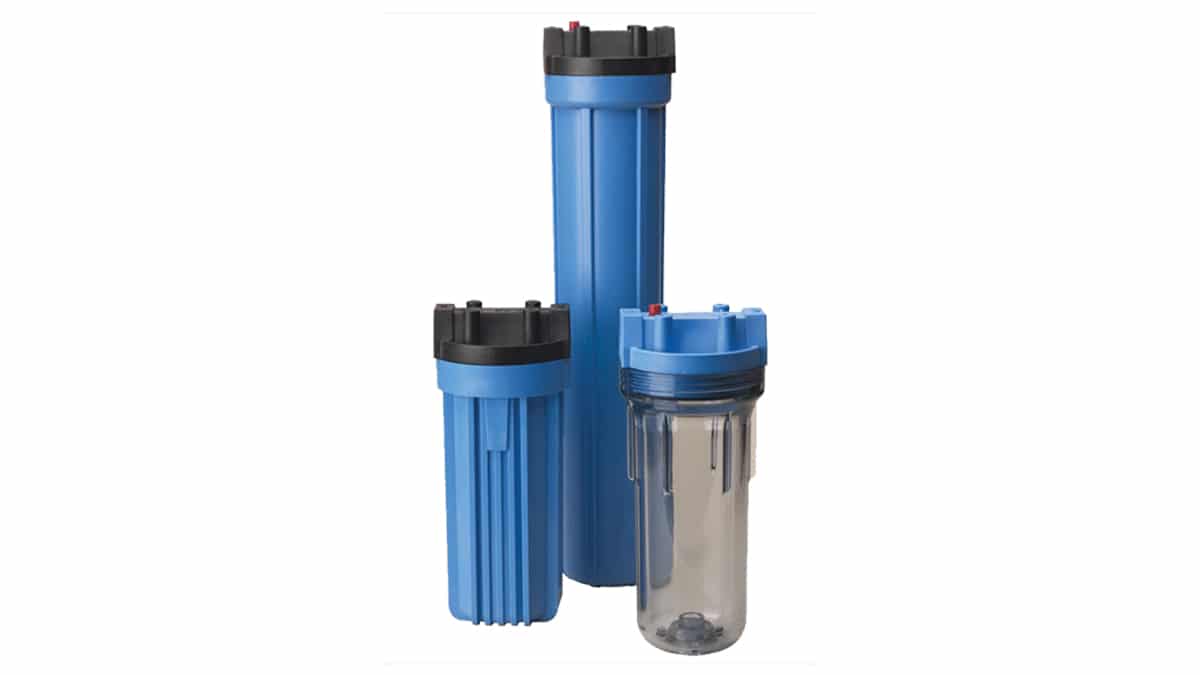
What are water treatments?
Water treatment is a process that makes water more suitable for a specific use. Water treatment processes are designed to remove contaminants from water or reduce its hardness.
The most common water treatment processes are:
- Filtration: Removes suspended particles from water, such as dirt, sand, and silt.
- Disinfection: Eliminates or inactivates harmful bacteria and viruses present in the water.
- Softening: Reduces water hardness by removing minerals like calcium and magnesium.
What are the different types of water treatment systems?
There are many types of water treatment systems available on the market. The type of system you need depends on the quality of your water and your specific needs.
Here are some common types of water treatment systems:
- Reverse Osmosis: Removes contaminants by forcing water through a semi-permeable membrane, ensuring high purity.
- Activated Carbon Filters: Use highly porous activated carbon to absorb and remove impurities, including chlorine, odors, and certain chemicals.
- Water Softeners: Eliminate minerals responsible for hardness, such as calcium and magnesium, making water softer and easier to use.
Why is water treatment important?
Water treatment is important because it makes water safe to drink, bathe in, and use for irrigation. Water treatment also helps protect aquatic ecosystems.
Untreated water can be harmful to human health. Contaminated water can cause serious illnesses, such as cholera, dysentery, and typhoid fever.
How can I ensure my water is safe?
If you are concerned about the safety of your water, the best thing to do is to have it analyzed by a qualified professional. A water analysis will identify any contaminants present in your water and tell you if it is safe to drink.
What are the benefits of water treatment?
Water treatment has many benefits, including:
- Improved water quality
- Protection of public health
- Protection of aquatic ecosystems
- Reduced water treatment costs
- Improved taste and odor of water
What are the challenges of water treatment?
- One of the main challenges of water treatment is its high cost. Water treatment can be expensive, especially if you need to treat a large volume of water.
- Another challenge is that water treatment can be disruptive to the environment. Some processes, such as reverse osmosis, can produce large amounts of wastewater that must be disposed of properly.
What are the future trends in water treatment?
One of the main trends in water treatment is the shift toward more sustainable and environmentally friendly methods. This includes the use of natural substances, such as plants, to remove contaminants from water.
Another trend is the development of new technologies that can more effectively remove contaminants from water. Nanofiltration, a process that uses very small filters to remove contaminants from water, is one example.
What are the most common myths about water treatment?
One of the most common myths about water treatment is that it is unnecessary. This is not true! Water treatment is essential to ensure the safety of water for drinking and other uses.
Another myth is that water treatment makes water potable only by adding chemicals. While chemicals can make water potable, they are not the only solution. Proper filtration and disinfection are also essential for making water safe to drink.
A final myth is that water treatment is expensive and difficult to carry out. While it can be costly, there are many ways to make water potable without spending a lot of money. With the right knowledge and tools, water treatment can be easy to implement.